Why Tree Diversity is Key to Preventing Beetle Epidemics Mar 20, 2026
Picture a thriving forest—a tapestry of varied tree species, each contributing to the ecosystem’s health and longevity. Such diversity doesn't just enhance beauty; it fortifies resistance against pests, particularly beetles. These resilient pests can wreak havoc, but their success often hinges on the availability of susceptible host species.
Homogeneous forests or landscapes, where one or two species dominate, present a feast for beetles. Once a beetle finds a suitable host, the infestation can spread rapidly, leading to an epidemic. This scenario is less likely in diverse forests, where the distribution of potential host trees limits the beetles' ability to propagate unchecked.
Tree diversity acts as a natural defense mechanism. Different species have distinct developmental cycles, chemical profiles, and physical structures, making it challenging for any single pest to adapt universally. Insects like beetles that depend on specific tree species for sustenance struggle to thrive in environments with numerous tree types. Consequently, the magnitude and speed of any invasion are significantly curtailed.
Moreover, diverse tree populations support various predatory and parasitic species that naturally control beetle populations. These biological control agents thrive in varied environments, where they find both shelter and food from multiple sources. In a forest rich with different tree species, predators and parasites maintain a balance, keeping beetle populations in check.
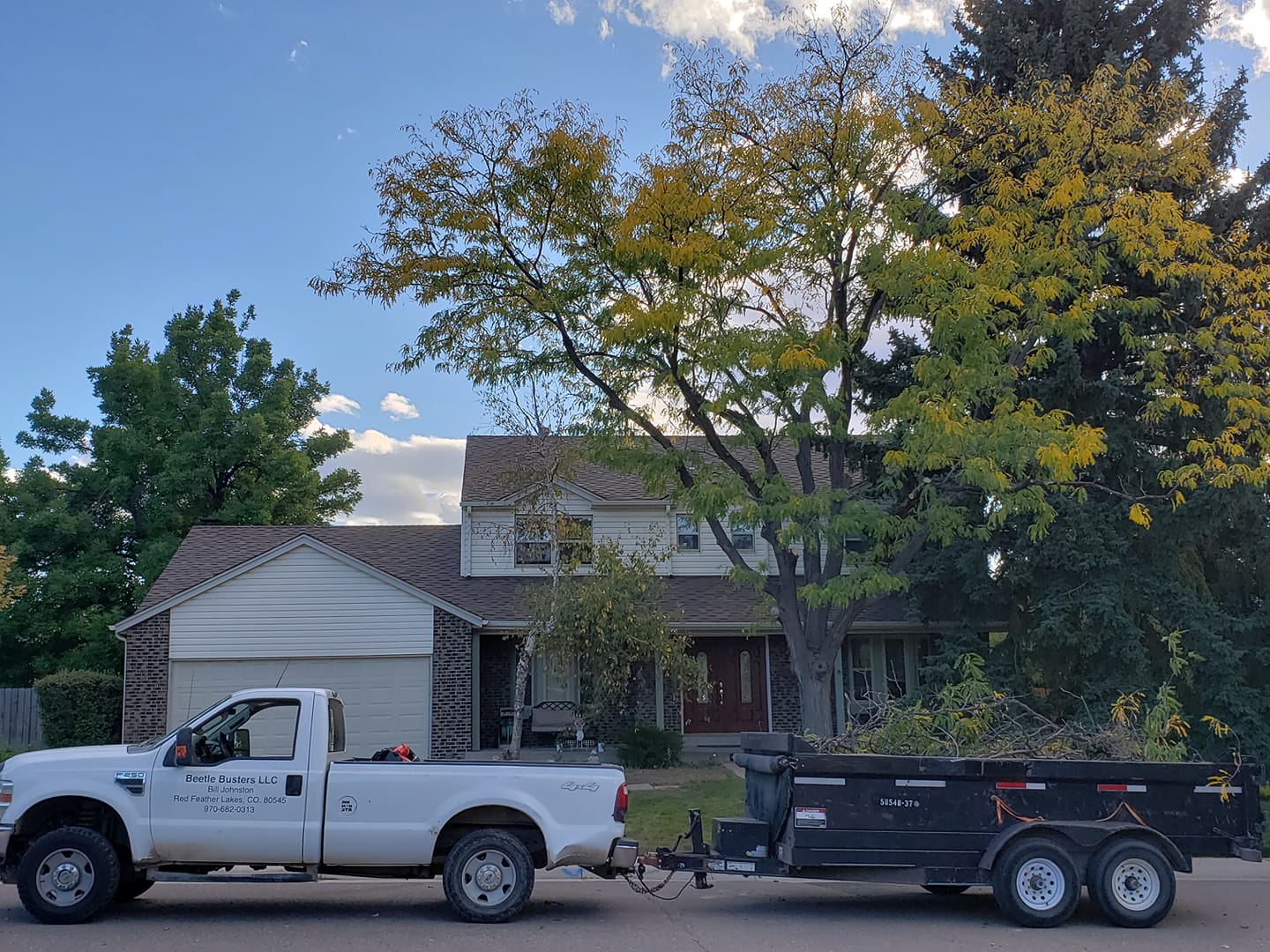
Understanding and promoting tree diversity also aligns with sustainable practices. For a company such as Beetle Busters LLC, advocating for mixed-species plantings not only aligns with environmentally responsible pest management but also with maintaining the ecological balance. The diversification principle mirrors nature’s design—a self-regulating mechanism that has evolved over millennia.
For homeowners and land managers, prioritizing tree diversity involves strategic planning and consultation with arborist services. When selecting tree species, consider both the ecological benefits and the suitability of each species to the local climate and soil conditions. This ensures that diverse plantings are not just diverse in appearance but also robust and sustainable.
To implement an effective diversity strategy, assess the current composition of your landscape. Identify dominant species and aim to introduce compatible trees that fill ecological niches not currently present. Beetle Busters LLC can provide expert guidance through soil evaluation, species selection, and long-term care strategies.
In conclusion, tree diversity is more than an aesthetic choice; it’s a proactive approach to safeguarding our environments from beetle outbreaks and ensuring resilience against unforeseen challenges. By fostering varied tree populations, we invest in ecosystems that can thrive amidst adversity. Beetle Busters LLC remains committed to this mission, offering consultations, solutions, and support to cultivate healthy, diverse landscapes for generations to come. Embracing diversity not only benefits our forests but enriches our lives, offering beauty, stability, and ecological harmony.