The Art of Preservation: Balancing Tree Health and Beetle Management Strategies May 08, 2026
Understanding the relationship between tree health and beetle activity is pivotal. Beetle infestations quickly become devastating, particularly when trees are already stressed by environmental conditions or disease. Healthy trees are less susceptible to beetle attacks due to their vigorous defense systems, which includes the production of sap to flush out invading beetles. Thus, promoting overall tree health should always be the first line of defense against beetle infestations.
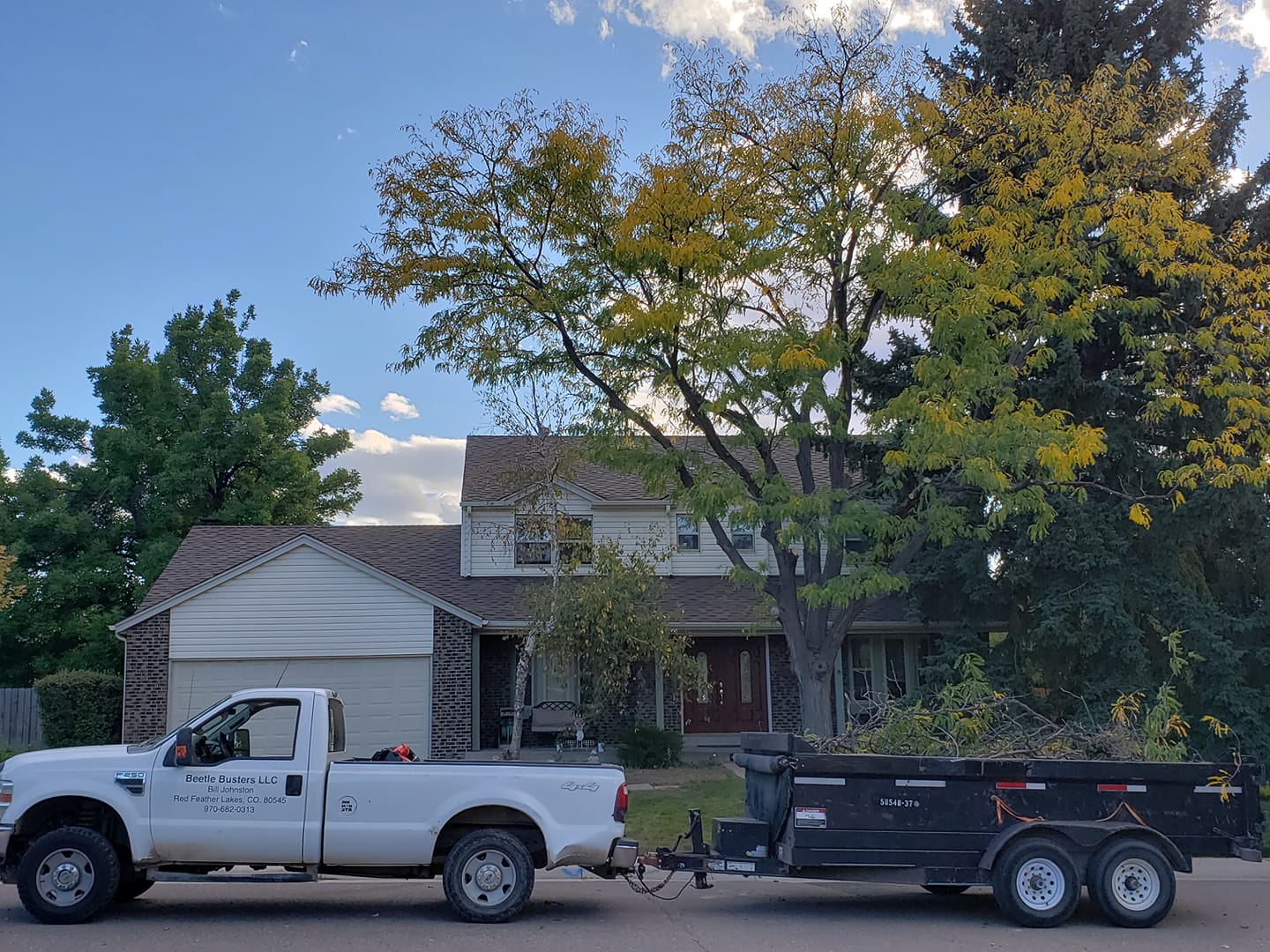
One critical strategy is consistent tree maintenance. Pruning trees correctly and regularly strengthens their resilience. Properly pruned trees have better air circulation, reducing the likelihood of fungal infections and other diseases that weaken their natural defenses. It's important, however, to prune during the dormant season to avoid attracting beetles that are drawn to fresh cuts and sap. Beetle Busters LLC advises that pruning be done under the guidance of experienced arborists who can identify which limbs require removal without over-pruning, which can cause additional stress.
Another essential aspect of tree health management is monitoring soil quality and hydration. Trees thrive in nutrient-rich, well-aerated soils where their roots can efficiently uptake water and necessary minerals. Overwatering or compacted soil can lead to root rot and create an inviting environment for pests. Evaluating the soil conditions and making adjustments, such as aeration and proper irrigation, can significantly deter beetle populations.
To specifically target beetle infestations, integrated pest management (IPM) is a comprehensive approach emphasizing prevention and minimal pesticide use. IPM involves regularly monitoring trees for early signs of beetle activity, such as small exit holes or sawdust-like material beneath trees. Beetle Busters LLC offers expert pest identification and monitoring services, employing non-invasive methods such as pheromone traps that draw beetles away from trees.
Where beetle presence is confirmed, biological control methods, such as introducing natural predators like beneficial nematodes, can keep populations in check. This environmentally friendly strategy reduces reliance on chemicals, promoting a balanced ecosystem both in the trees and surrounding habitats.
Chemical treatments remain an option, though should be used judiciously and targeted only when necessary. Systemic insecticides can be effective, particularly during peak beetle season, but it's essential to tailor application to reduce impact on non-target organisms and avoid resistance buildup.
In conclusion, the art of balancing tree health with beetle management involves a multifaceted approach that combines proactive tree care with strategic pest control. At Beetle Busters LLC, we are committed to helping our clients preserve the integrity of their landscapes through a nuanced understanding of tree lifecycles and pest dynamics. By prioritizing tree vitality and adopting thoughtful management techniques, property owners can enjoy thriving trees while keeping beetle populations at bay. For personalized guidance and service, don't hesitate to reach out to our team of expert arborists who are here to safeguard your green spaces.