Protecting Urban Forests: The Arborist's Role in Beetle Management Apr 30, 2026
Beetle infestations can be insidious; often appearing as small problems, they can quickly escalate, leading to large-scale tree loss. Certain beetle species, such as the emerald ash borer and the Asian longhorned beetle, are notorious for their ability to destroy hundreds of thousands of trees, resulting in environmental damage and costly eradication efforts.
Arborists are frontline defenders in the battle against beetle infestations. Their expertise in tree care and management is pivotal for preventing infestations and mitigating their impacts. An arborist's role begins with regular tree inspections. These inspections help identify early signs of beetle activity, such as boreholes in tree bark, frass (fine sawdust) accumulation, or the dieback of branches. Early detection is crucial as it allows for prompt intervention, preventing beetles from further spreading and minimizing tree loss.
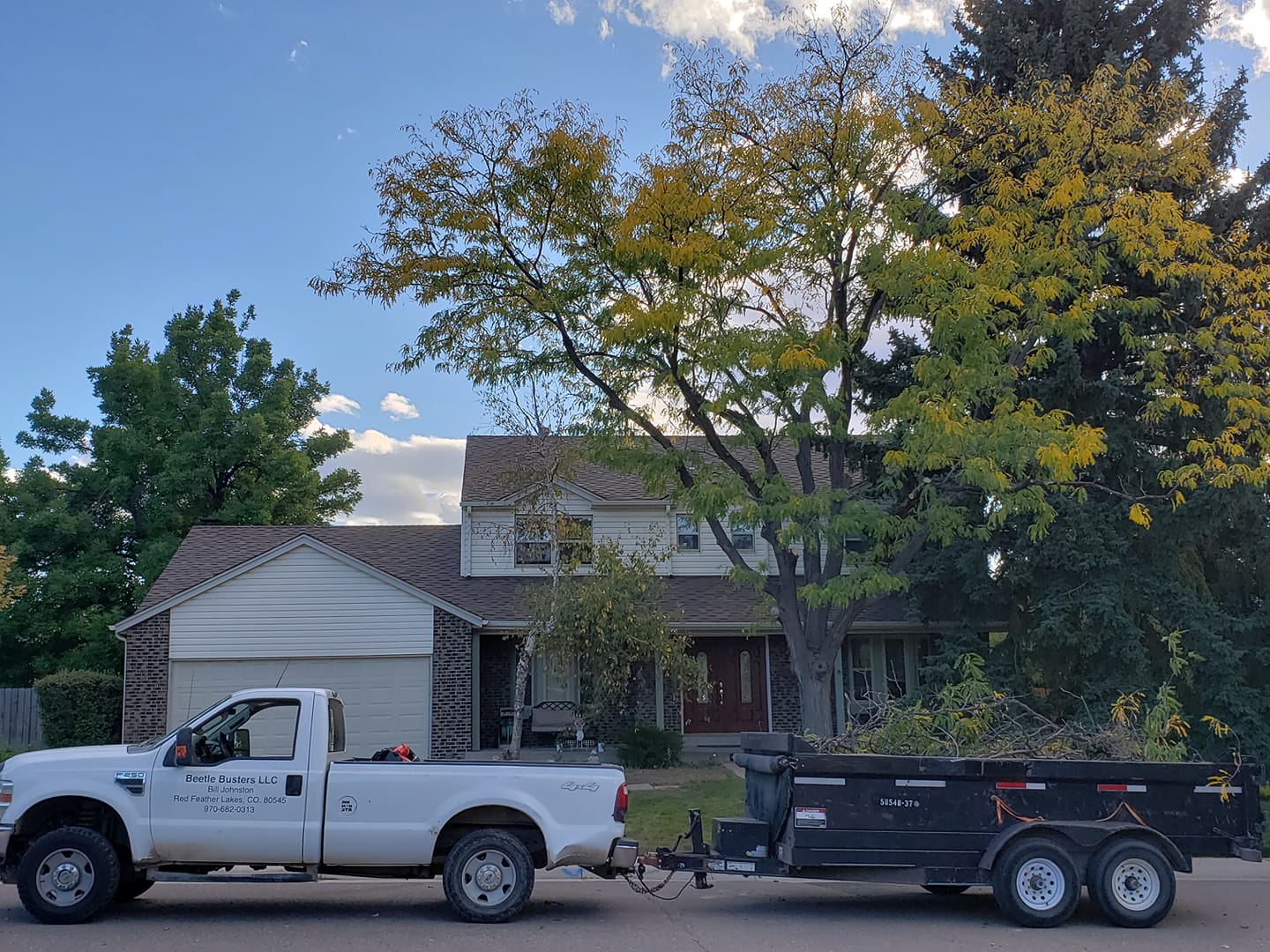
Once a beetle presence is confirmed, professional arborists from Beetle Busters LLC develop and implement a tailored beetle management plan. A key element of these plans involves integrated pest management (IPM), a sustainable approach that combines biological, cultural, and chemical practices to control beetle populations. This holistic strategy not only reduces beetle numbers but also limits environmental impact and promotes long-term tree health.
Biological controls might include introducing natural beetle predators or using microbial agents that target specific beetle species. Cultural controls involve altering the environment to make it less inviting to beetles, such as improving tree vigor through proper watering, mulching, and soil management. In cases where chemical controls are necessary, arborists carefully select and apply pesticides to minimize harm to non-target organisms and the surrounding ecosystem.
Education and community involvement are also integral components of an arborist’s work. Arborists engage and educate urban communities about the importance of trees and the threats posed by beetles. By raising awareness, they empower residents to participate in tree monitoring and report any suspicious tree damage promptly, fostering a collaborative approach to urban forest management.
Moreover, prevention is often better than cure. Arborists proactively assess and select tree species that are resistant to beetle infestations for replanting in urban areas. By diversifying tree species, cities can build more resilient forests capable of withstanding beetle attacks and other environmental stressors.
In conclusion, the role of an arborist in beetle management is indispensable for the protection of urban forests. Through expertise in tree care, implementation of integrated pest management strategies, and community engagement, Beetle Busters LLC and similar arborist companies ensure the health and sustainability of our urban green spaces. As stewards of these forests, arborists not only protect trees today but also safeguard the environmental heritage for future generations. By collaborating with professionals like those at Beetle Busters LLC, communities can support healthier, more resilient urban forests that continue to offer ecological, social, and economic benefits.