How to Protect Your Garden from Beetle Infestation: Tips from Arborists Feb 14, 2026
First and foremost, understanding the behavior of beetles is crucial. Beetles are most active during the warmer months and tend to breed and lay eggs in areas that provide their larvae easy food access. This means gardens with a diverse range of plants can sometimes be under greater threat as they offer a variety of food sources. However, this does not mean you should reduce plant variety, but rather that you should focus on enhancing plant resilience.
Keep your garden clean and well-maintained. Regular maintenance is the cornerstone of preventing beetle infestations. Remove fallen leaves, debris, and any rotting plant material that can serve as a breeding ground for beetles. This simple practice eliminates the habitats where beetles thrive. Trimming overgrown plants and ensuring proper spacing between them enhances air circulation, which is an effective deterrent against pests.
Introduce beneficial insects to your garden ecosystem. Natural predators, such as ladybugs and parasitic wasps, help control beetle populations by preying on beetles naturally, maintaining a balanced ecosystem. Encouraging biodiversity not only keeps pest numbers down but also boosts the overall health of your garden. Consider planting species that attract these beneficial insects, creating a self-sustaining pest control system.
Utilize non-toxic insecticides strategically. While chemical options are available, using organic or non-toxic insecticides is always preferred. Products containing neem oil or insecticidal soap can effectively control beetle infestations without harming beneficial insect populations. Apply these treatments during late afternoons or early evenings when beetles are most active, ensuring you focus on areas with visible pest activity.
Plant beetle-resistant flora. Some plants naturally repel beetles due to their scent or taste, making them excellent choices for a beetle-proof garden. Consider incorporating marigolds, catnip, and garlic into your garden design. These plants not only enhance the visual appeal but also provide a natural defense against beetles.
Regular inspection plays a critical role. Stay vigilant by routinely checking your plants for any signs of beetle infestation. Look for yellowing leaves, small holes, and visible beetle presence. Early detection allows for immediate action, minimizing damage and preventing the spread of these pests.
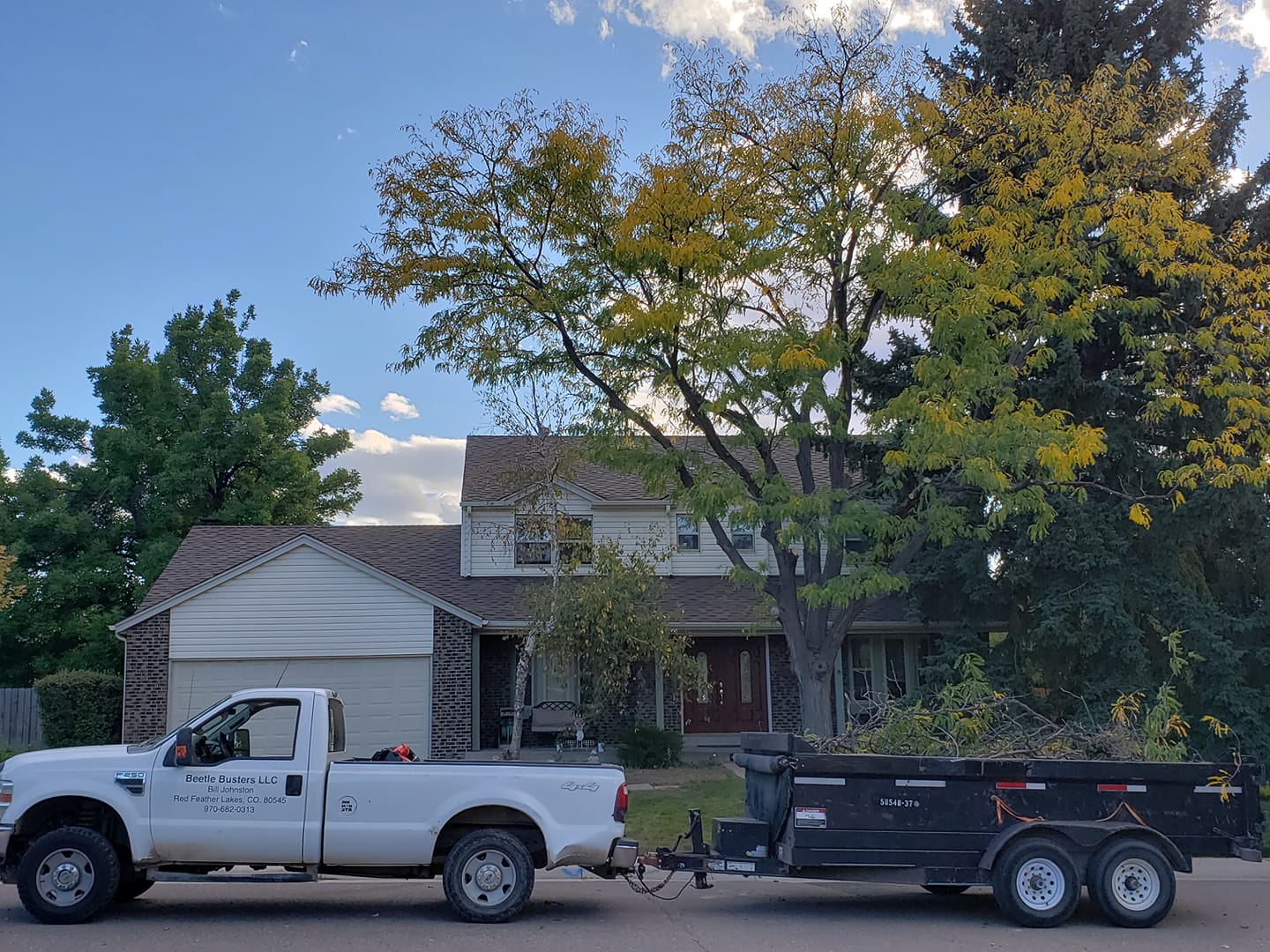
In conclusion, mastering the art of beetle prevention ensures your garden remains a thriving, pest-free oasis. By adopting these proactive measures, you not only safeguard your plants but also promote a healthier, more robust garden environment. Remember, seeking professional guidance from arborist consulting companies like Beetle Busters LLC provides added expertise and assurance. Our team is always ready to offer customized solutions tailored to your garden's unique needs, ensuring lasting protection against beetle invasions.